


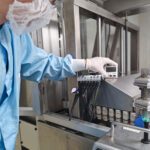
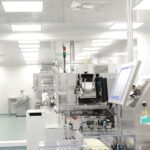







Bionettoyage is a specific cleaning method that combines three distinct actions: cleaning, disinfection and rinsing. This technique is particularly popular in sensitive sectors such as healthcare, laboratories and the food industry.
Bionettoyage definition Bionetting: Bionetting involves removing not only visible dirt, but also micro-organisms such as bacteria, viruses and fungi that may be present on surfaces. This limits the spread of infection and ensures a clean, safe environment.
Why use bionettoyage?
Bionetting is an indispensable practice in environments where hygiene must be beyond reproach. It is particularly recommended in hospitals, where pathogens can easily spread from one patient to another via contaminated surfaces. The process enables :
- Reduce the risk of cross-contamination.
- Ensuring a clean and healthy environment.
- Comply with hygiene standards imposed in certain sectors.
What's more, this method is environmentally friendly, as it minimizes the use of chemicals by favoring mechanical action and rationalization of disinfectants.
The biocleaning process
Visit biocleaning is a set of operations carried out after acceptance, or after work requiring a technical stop:
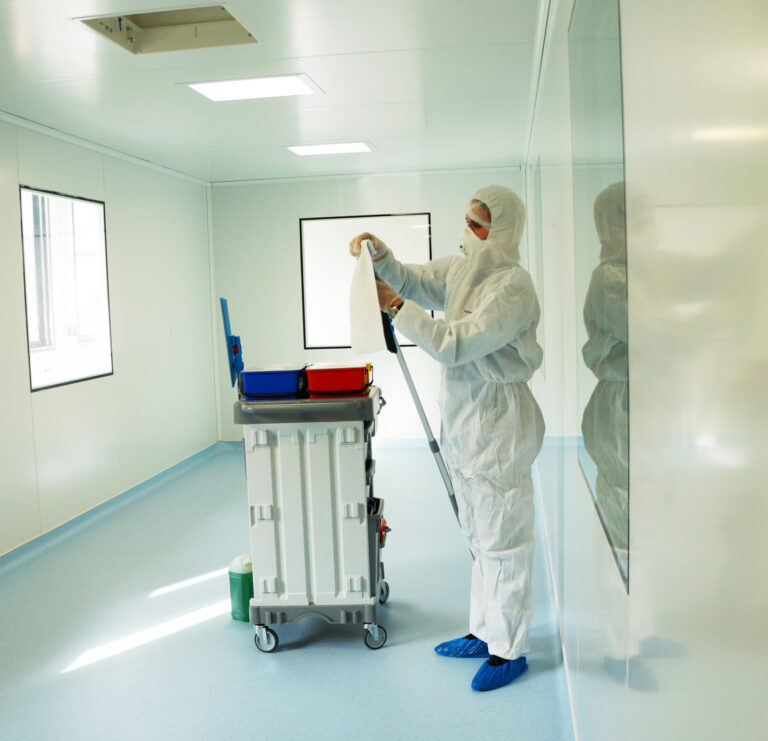
- In the new-build or renovation phase, this operation takes place after end-of-site cleaning (or rough cleaning). This is an essential step, involving the clearing of surfaces. Bionettoyage consists of cleaning all the surfaces of an installation, and generally comprises three phases, described below.
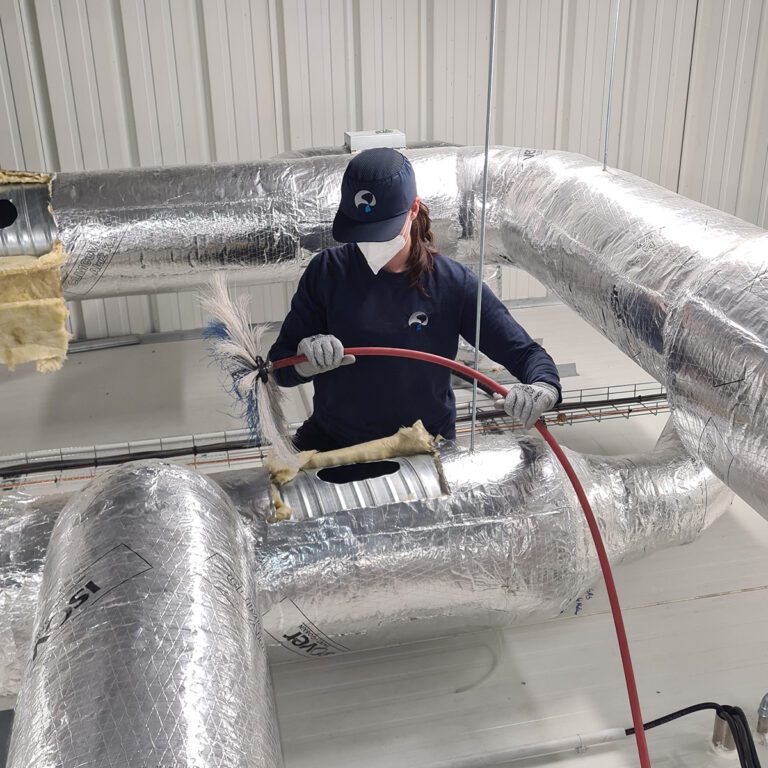
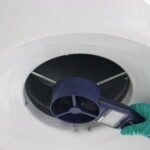
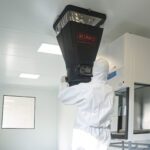
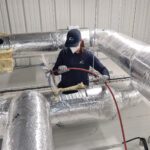
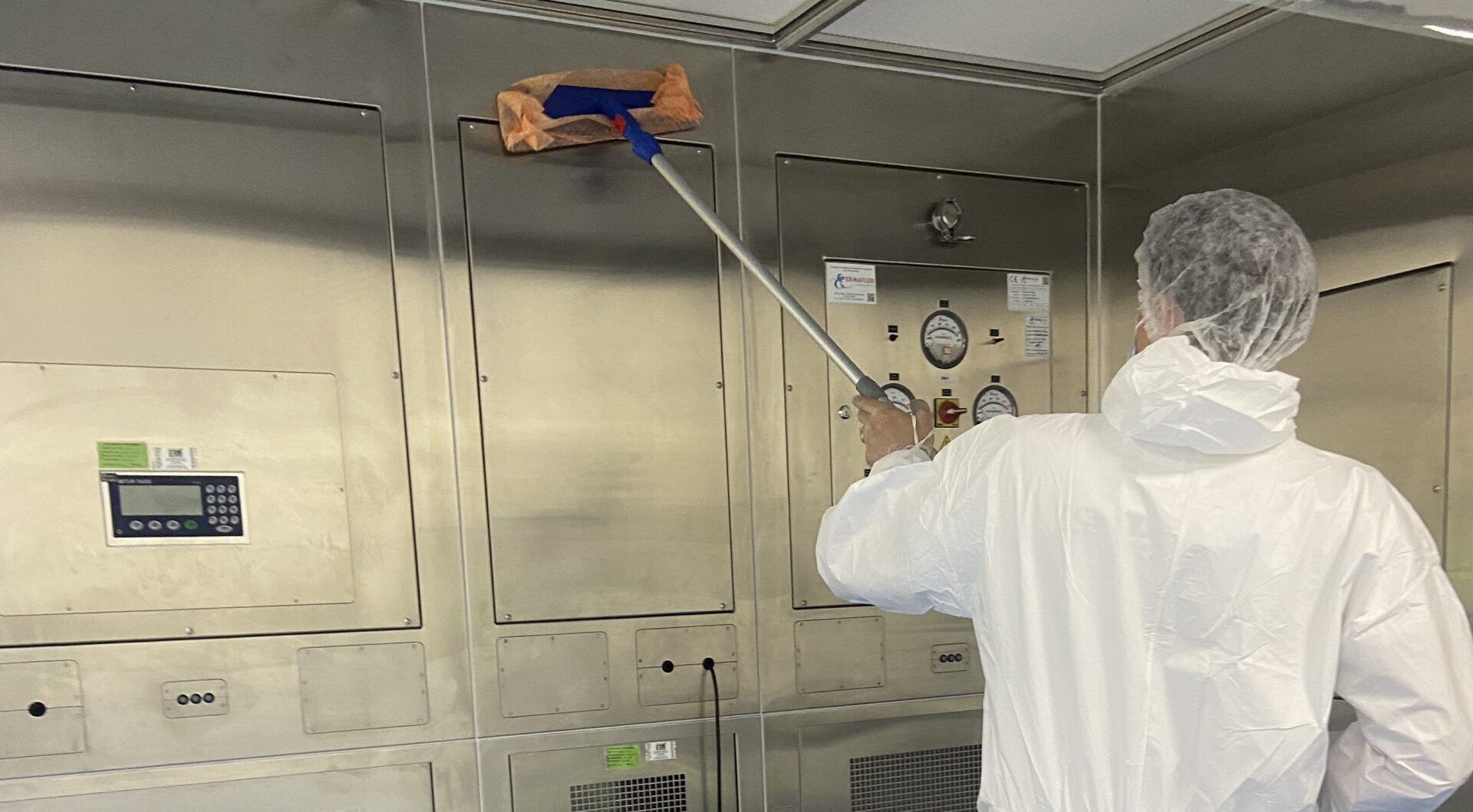
- After a technical shutdown, bionetting includes air handling unit cleaning (suction, batteries, wall wiping). It concludes with an ultra-fine cleaning operation, also known as blanking.
It is divided into four main phases:
- Preparing the intervention
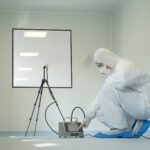
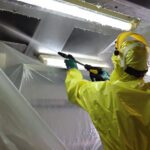
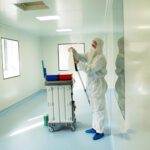
Before starting, workers protect themselves with the appropriate PPE (gloves, masks, etc.). They also need to prepare the necessary products, as well as tools such as rags and brooms. - Preliminary cleaning Removal of protection (tape, film) and cleaning of grids, with dust removal from air handling systems and AHUs. The air handling system is not yet operational.
- Primary biocleaning (Graying): Surfaces (ceilings, floors, walls) are cleaned, and terminal filters are installed. The air handling system is then activated to purify the indoor air.
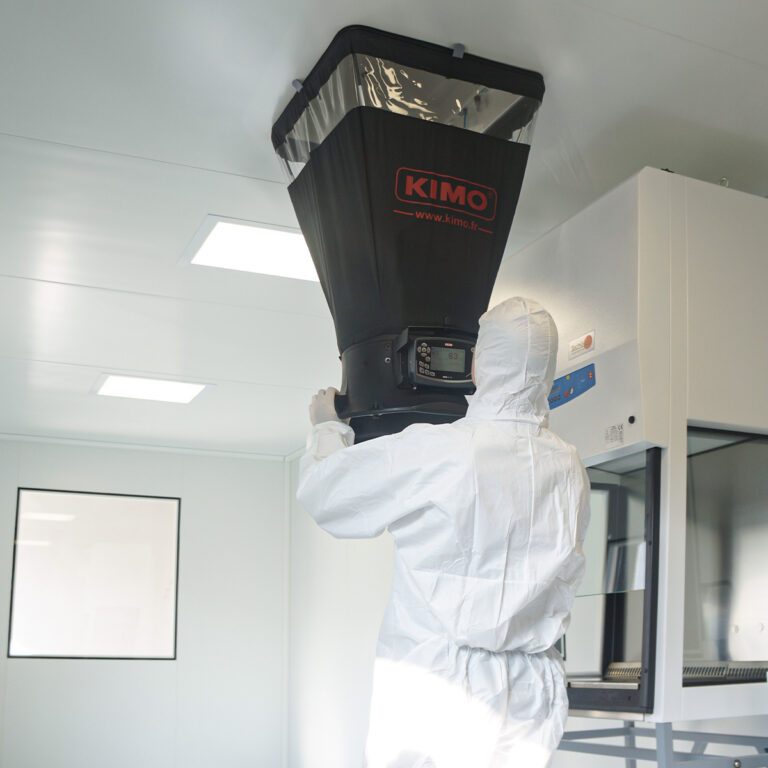
- Final biocleaning (Mise à blanc): Ultra-fine cleaning with tools adapted to cleanroom requirements, followed by cleanroom qualification.
Which sectors use biocleaning?
Bionettoyage is widely used in several sensitive sectors:
- Hospitals and clinics to prevent nosocomial infections.
- Laboratoires The laboratory: where hygiene standards are very strict to avoid contamination of samples.
- Food industry To ensure that food products are prepared under impeccable hygiene conditions.
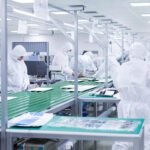
- Pharmaceuticals sector to ensure that medicines and other healthcare products are manufactured in a safe environment.
The importance of biocleaning in these environments lies in its ability to significantly reduce the risk of contamination and infection.
Liocleaning, an essential intervention
Bionic cleaning is essential to guarantee the’ultra-cleanliness. It ensures safety in sensitive environments such as hospitals, laboratories and the food industry. The four-stage process - preparation, preliminary cleaning, primary and secondary biocleaning - effectively eliminates micro-organisms and prevents infections. Bionetting guarantees a high level of hygiene and compliance with standards.
Do you need to provide biocleaning services in your sensitive environments?
Trust IGIENAIR for tailor-made ultra-clean solutions and contact us today to find out more about our services.