











29 branches

close to you!

Home » Expertise » Airflow controls » Qualification of ventilated laboratory equipment
Expertise / Air quality control

Qualification of ventilated laboratory equipment

The qualification of ventilated laboratory equipment, such as fume cupboards, laminar flow hoods and microbiological safety cabinets (MSCs), is an essential step in guaranteeing a high level of safety. safe working environment, protect operators, and preserve the integrity products handled.

This equipment plays a key role in research laboratories, the pharmaceutical industry and healthcare establishments.

Why qualify this equipment?

These ventilated devices enable controlling air flows and contain pollutants particulate and microbiological.

Qualification ensures that each piece of equipment meets to regulatory standards (ISO 14644, NF EN 14175, NF EN 12469, etc.) and offers the expected performance in terms of safety and protection.

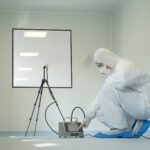
Fume cupboard airflow measurement

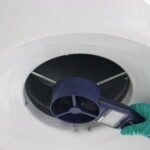
Fume cupboard control

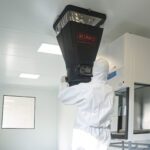
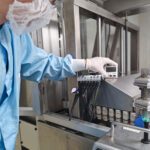
Control of Microbiological Safety Cabinets (MSC) and Laminar Flow Hoods (LFH)
Control of
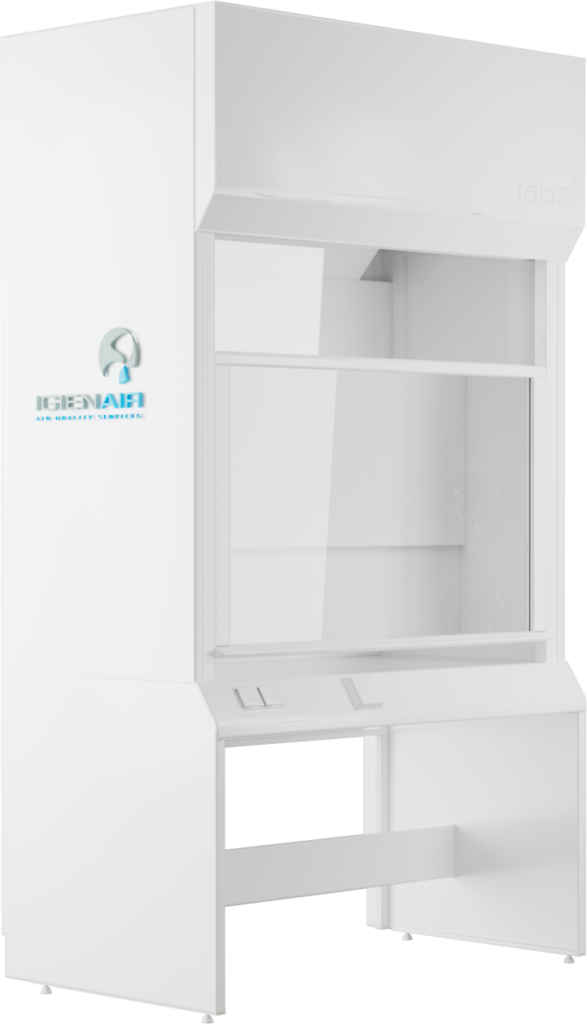
fume cupboards
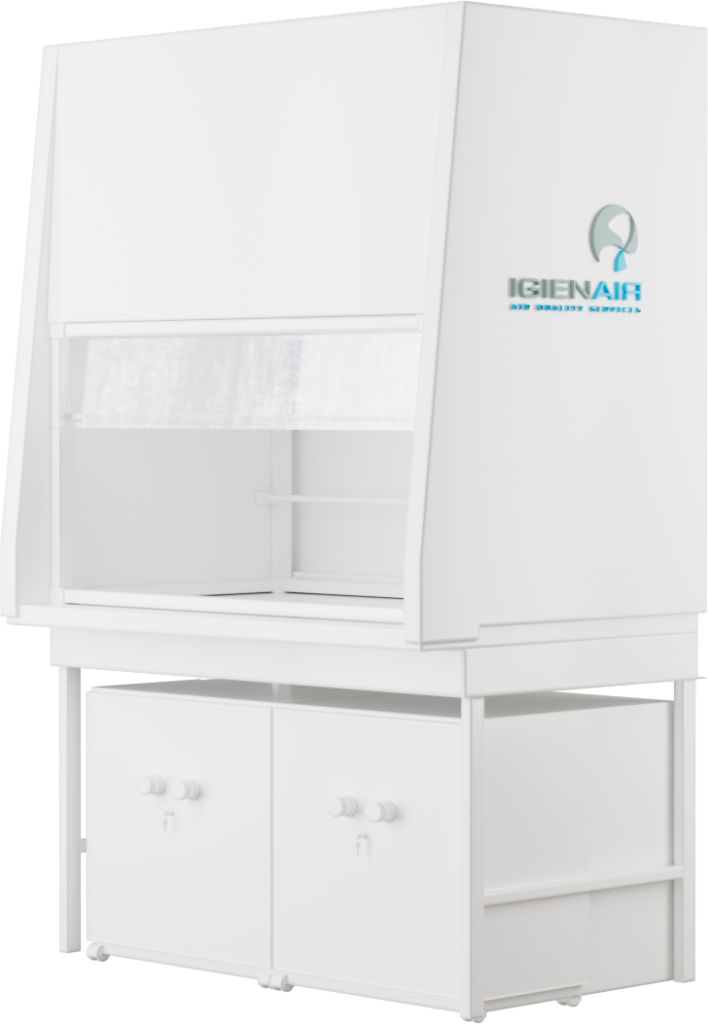
Fume cupboards are used to protect operators and the environment by capturing and evacuating chemical fumes and hazardous particles. They ensure effective control of air flows to limit the risks of exposure and contamination in working environments.

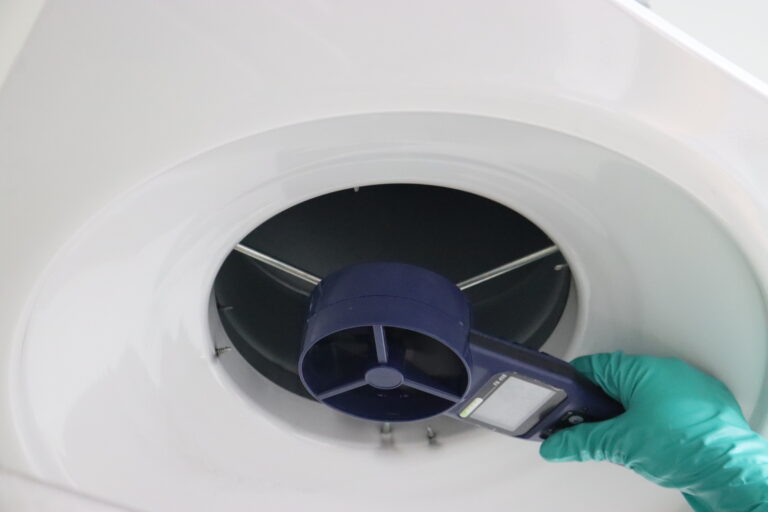
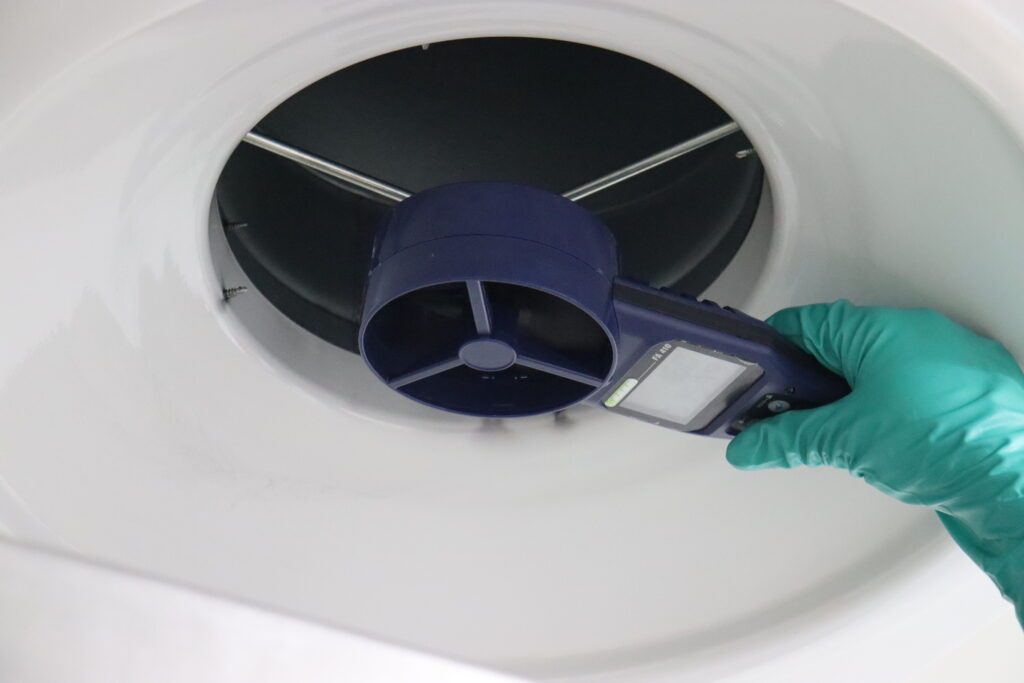
Measuring frontal air velocities

Check air velocity through the work opening to ensure effective containment of pollutants.
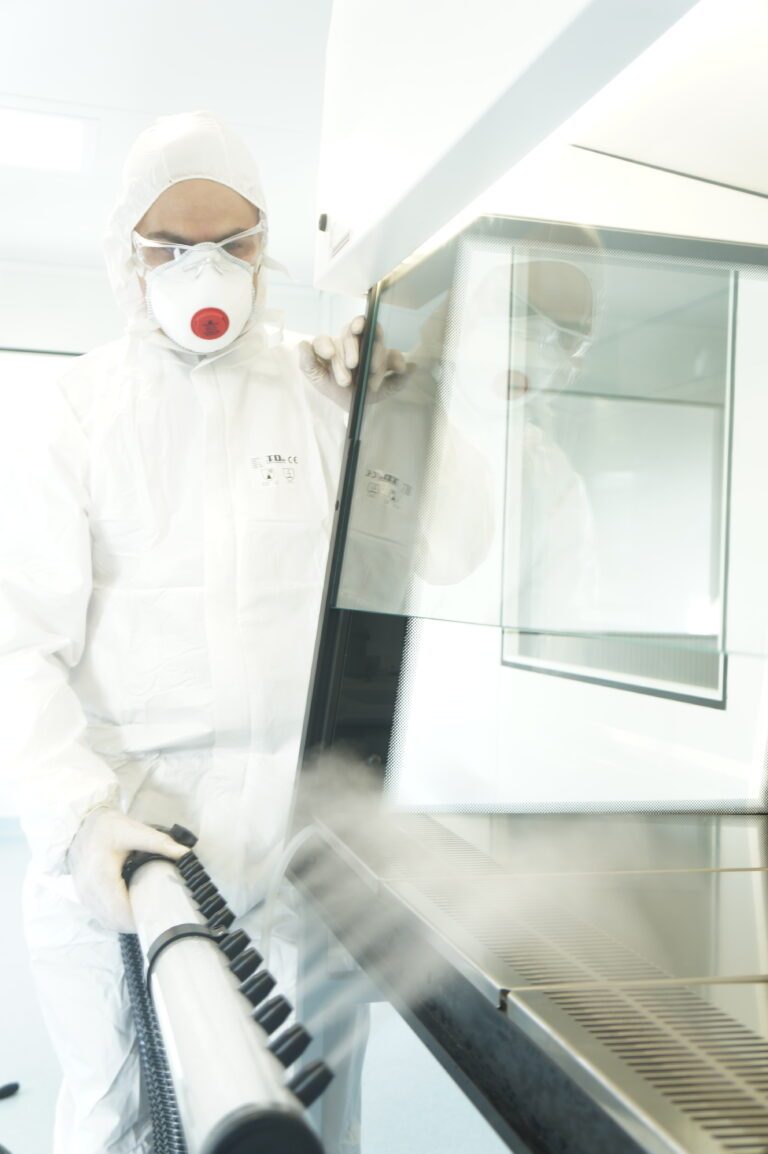
Image description

Containment tests

Use of gaseous tracers (SF6) to assess the capacity of the fume cupboard to contain pollutants.
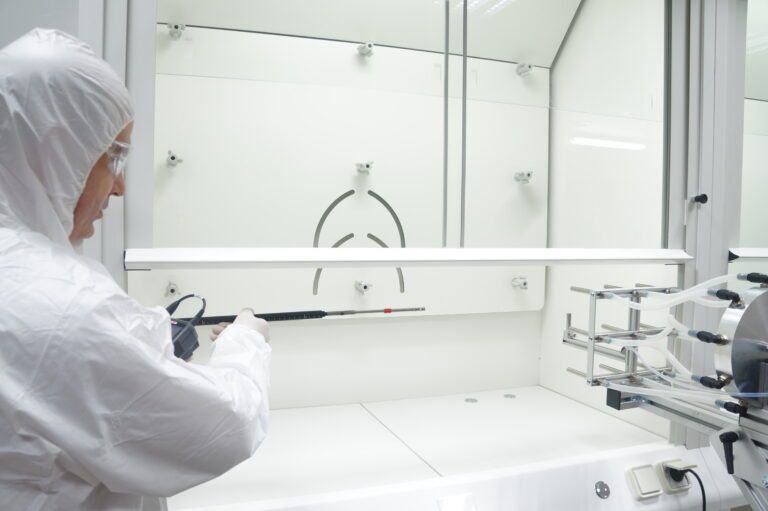
Image description

Air flow visualization

Identification of areas of turbulence and possible aeraulic disturbances.

Image description

Comfort parameter measurement

Check temperature, humidity and sound pressure.
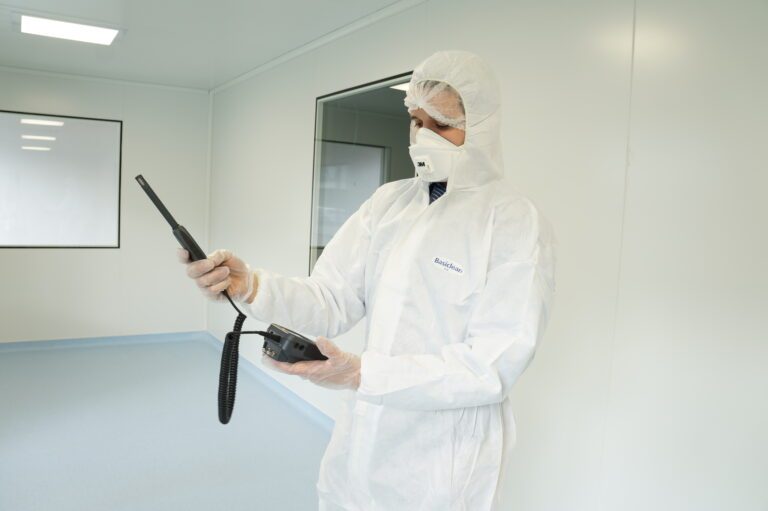
Image description
Control of
PSM and HFL

Microbiological Safety Cabinets (PSM) and Laminar Flow Hoods (HFL) are used to protect operators, products and the environment. This equipment controls unidirectional air flows to prevent contamination and guarantee a sterile workspace.

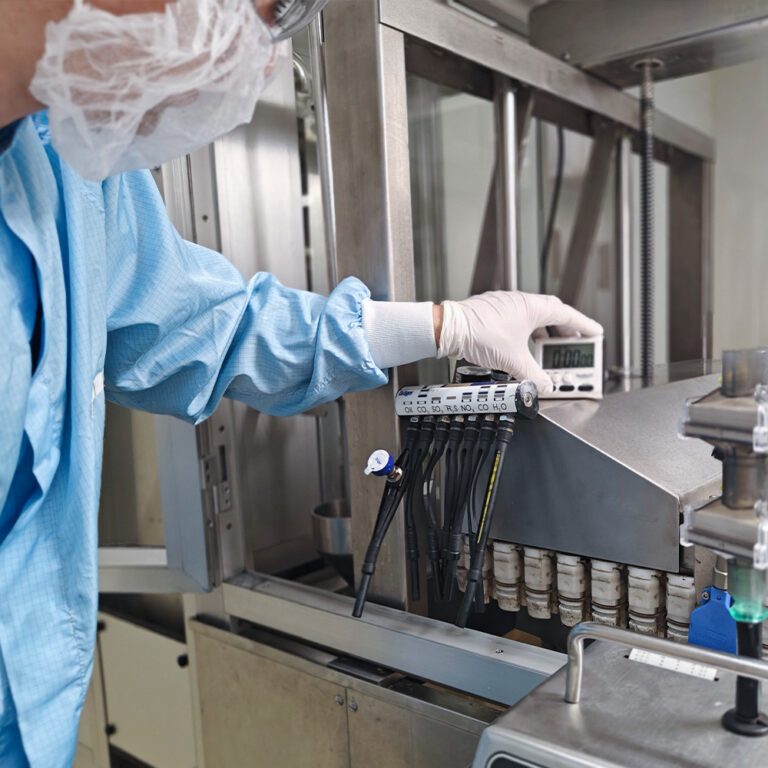
Particle counting

Measurement of suspended particle concentrations to check compliance with air cleanliness classes.
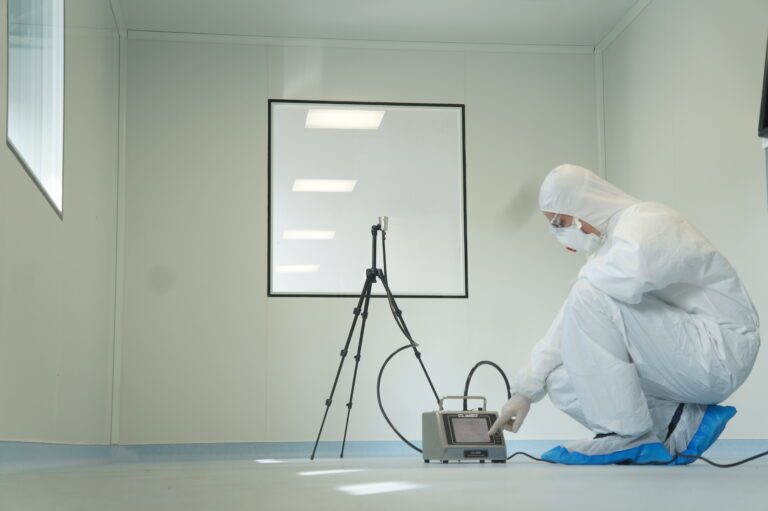
Image description

Measurement of particle removal kinetics and recovery time

These analyses enable us to check how quickly equipment can eliminate particles generated in the workspace, guaranteeing rapid return to clean conditions after a disturbance.
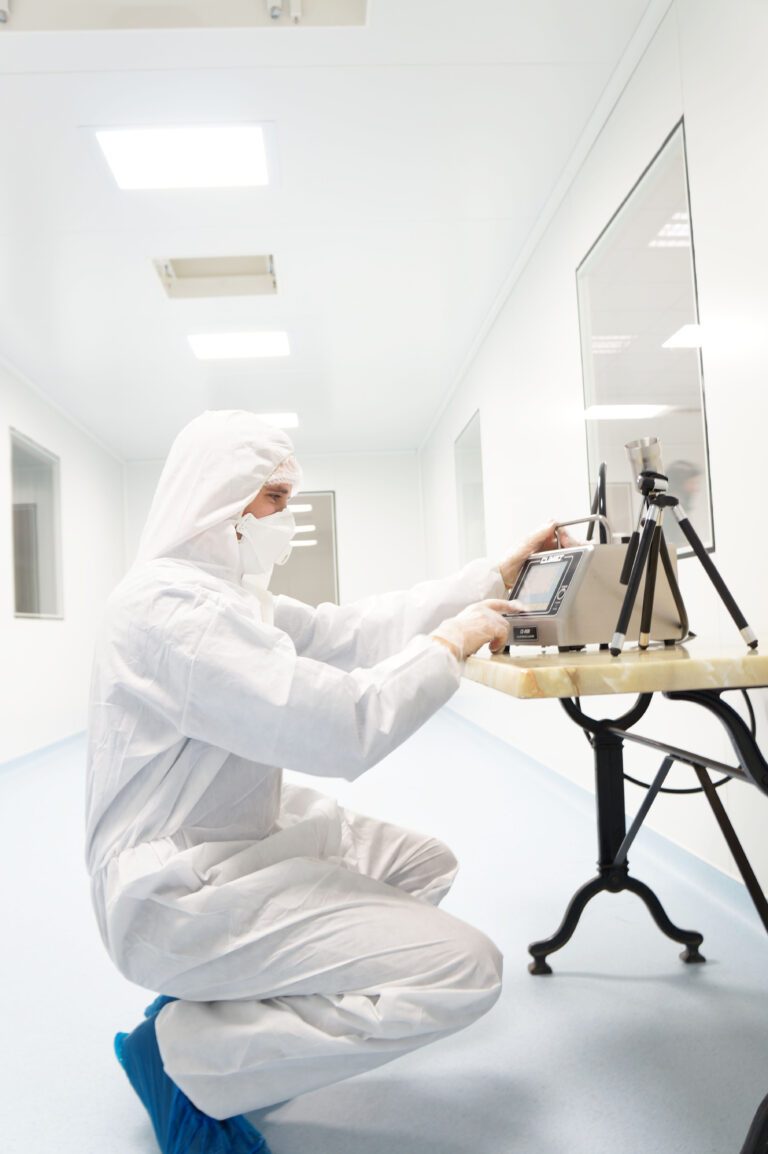
Image description

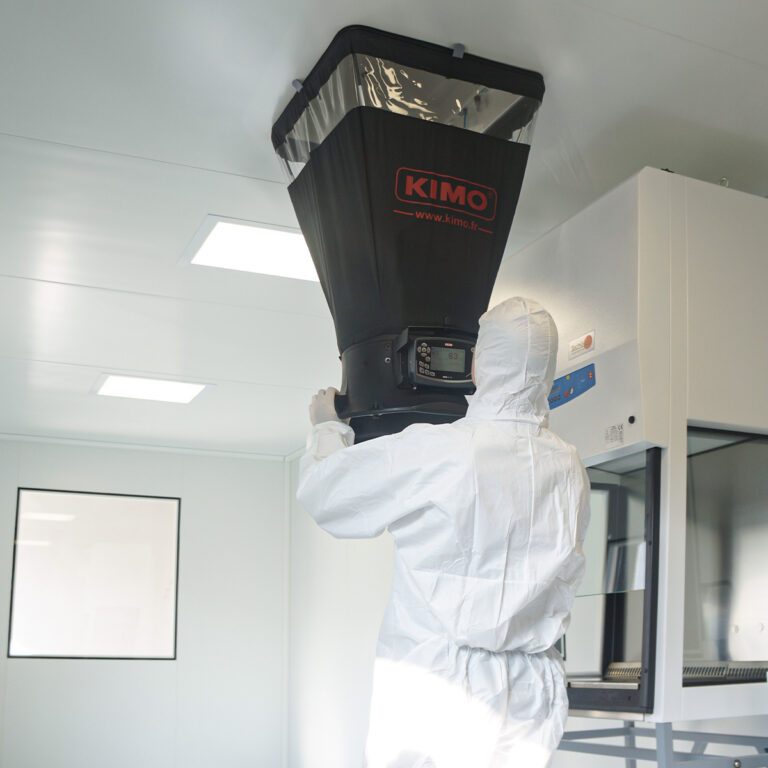
Airflow assessment

PSM Downflow, guard-vein and laminarity control for optimum protection against microbiological contamination.
HFL Checking the speed and regularity of unidirectional flow (horizontal or vertical) to protect products.
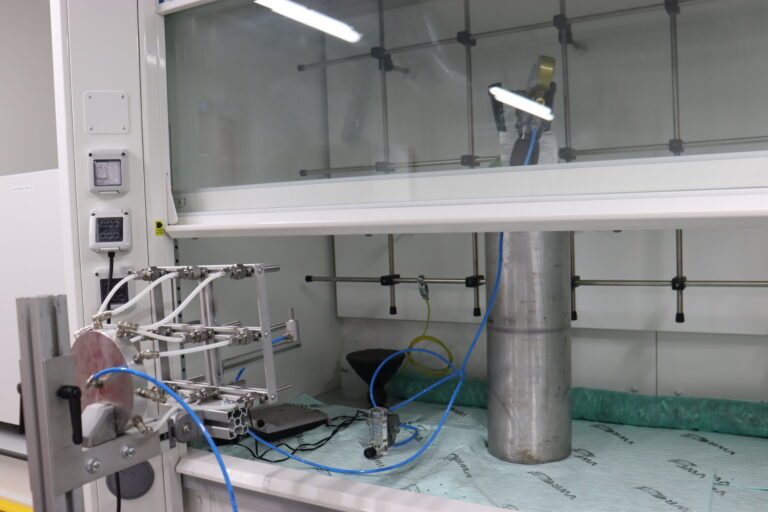
Image description

HEPA filter integrity tests

Filter leak detection to ensure effective filtration of fine particles and maintain a controlled environment.

Image description

Biocontamination control

Analysis of viable particles in the air and on surfaces to assess microbiological risks.

Image description

Air flow visualization

Use smoke to check the efficiency of downward or horizontal air flows, identify dead zones and ensure a sterile environment.
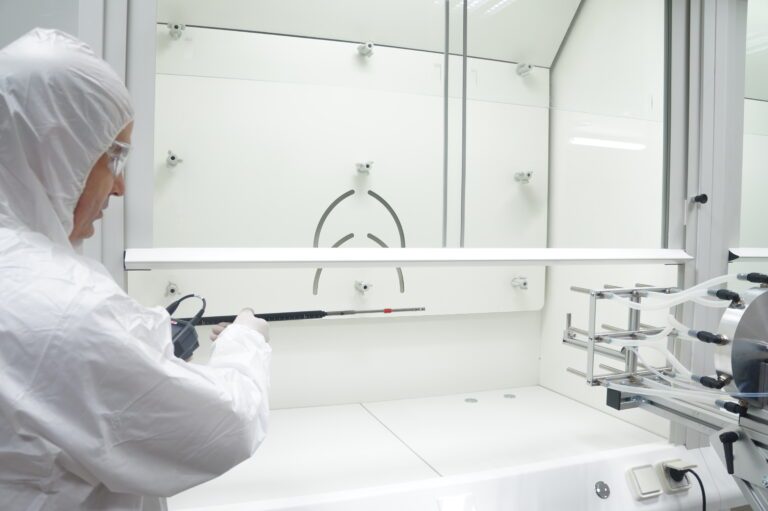
Image description

Comfort parameter measurement

Controls brightness, sound level, temperature and humidity.

Image description

Discover our other solutions

Airflow controls

More information on

our services & solutions

?