













Visit Indoor Air Quality (IAQ) is a major public health issue, directly influencing our well-being and productivity. As we spend the majority of our time indoors - whether at home, in the office, or in public places - it's crucial to understand the factors that can degrade this quality, and how to control IAQ.
Why can indoor air quality be so bad?
A bad Quality of’Air Interior can be the result of many factors, both internal and external to the building.
External sources of pollutants include traffic, sunlight and pollen.
Household products, building materials, furniture, heating systems, photocopiers... are all sources of indoor pollutants.
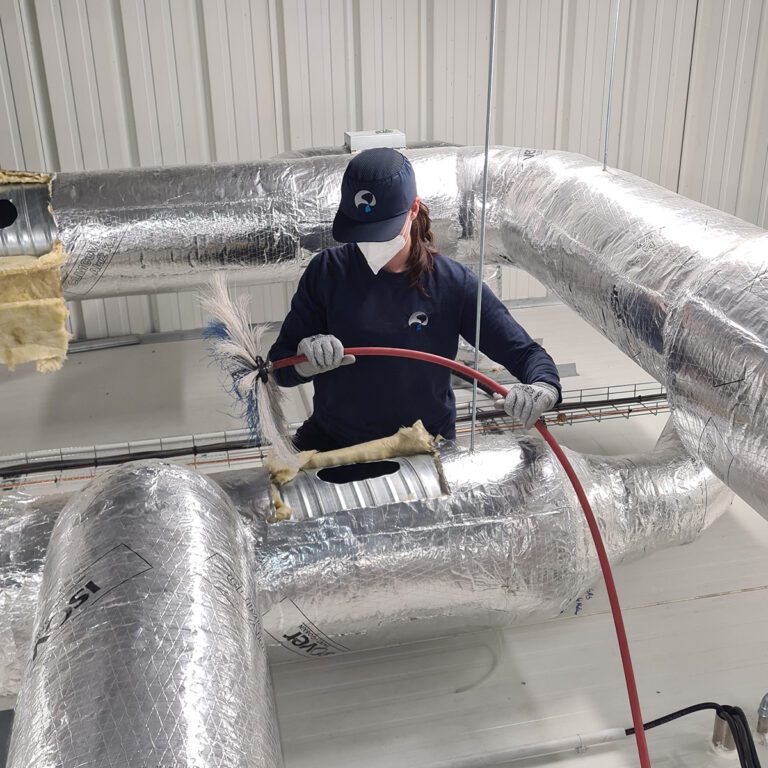
Ventilation systems therefore play a key role in maintaining a healthy environment. IAQ. They must both protect the premises from external pollutants and evacuate pollutants created by the building's activity.
How to measure Indoor Air Quality?
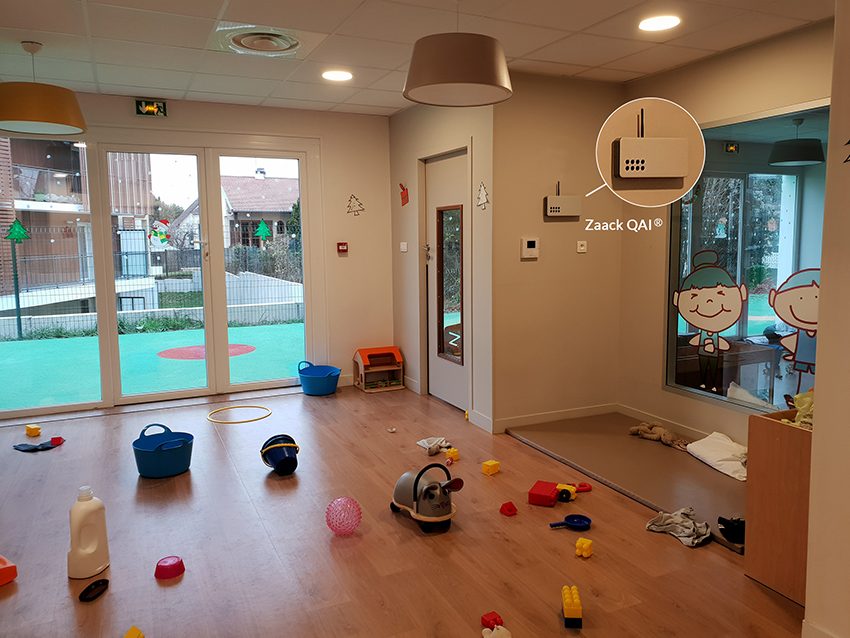
There are several ways to measure Indoor Air Quality. One of the most effective methods is to make a real-time monitoring with sensors measuring the main indicator pollutants (PM, 03, CO, CO2, COVt...).
Measurements taken over 7 days enable us to determine the sources of indoor or outdoor pollutants by comparing concentrations recorded at different times of the day or week (traffic, activity inside the building, ventilation in operation, solar radiation, etc.).
The sampling strategy is also very important, particularly the choice of representative groups of parts.
Outdoor measurements will also enable better data analysis.
In the event of symptoms in certain rooms, a control room should be selected and fitted with sensors.
The consequences of poor indoor air quality
Poor Indoor Air Quality causes many health problems. These include headaches, eye, nose and throat irritations. It can also lead to respiratory disorders such as asthma. What's more, it reduces the productivity of people working on the premises. It also accelerates building ageing.
Conclusion:
Indoor Air Quality is important for the health and well-being of occupants. It is therefore crucial to measure it regularly to ensure that it remains at a healthy level. Air quality certificates and sensors help monitor indoor air quality. They also help identify sources of pollution. It is important to reduce the use of household chemicals. Good room ventilation is also essential. Finally, we recommend that you have your Indoor Air Quality regularly checked by a professional. This guarantees healthy air at all times.
Discover our solutions in air treatment to guarantee a safe, healthy environment on a daily basis. Finally, we recommend that you have your Indoor Air Quality checked frequently by a professional to ensure that it remains at a healthy level.