













Did you know that building energy optimization has become an absolute necessity in a sector that accounts for 44% of France's energy consumption? The building sector is also the most polluting in terms of greenhouse gas emissions, generating over 123 million tonnes of CO2 every year.
Given these alarming figures, energy efficiency in buildings is no longer an option, but an obligation. Across Europe, buildings account for 40% of final energy consumption, which explains why ambitious targets have been set: -40% by 2030 and -60% by 2050. What's more, homes considered to be «energy passoires» will gradually be banned from being rented out.
Optimizing the energy performance of buildings not only enables you to cut costs considerably (up to 30% in savings on your current bills), but also improves occupant comfort and meets regulatory requirements. In this article, we explore how maintenance, cleaning and insulation are the fundamental pillars of efficient, sustainable building energy management.
Understanding the challenges of building energy optimization
Optimizing the energy efficiency of buildings is a major challenge if France is to meet its climate and economic targets. To take effective action, it is essential to understand precisely what is at stake.
Energy consumption of the building sector in France
The building sector accounts for a considerable proportion of energy consumption in France. Beyond the overall figure of 44% mentioned above, we need to analyze this consumption in greater detail. France's housing stock comprises some 36 million dwellings, over half of which were built before 1975, the date of the first thermal regulations.
Moreover, the breakdown of this consumption varies according to use. Heating generally accounts for the largest share of energy expenditure (between 60% and 70% of total consumption), followed by domestic hot water (around 10-15%), lighting and electrical equipment. This breakdown explains why thermal insulation and heating equipment maintenance are priority levers.
The tertiary sector covers almost 900 million square meters and consumes more than 250 TWh of final energy per year. Offices, retail outlets and educational establishments are the three main consumer categories.
Reduction targets set by the tertiary sector decree and the RE2020
Faced with this situation, France has established an ambitious regulatory framework to gradually reduce the energy consumption of buildings:
- The tertiary sector decree (or Éco Énergie Tertiaire scheme) requires tertiary sector buildings over 1,000 m² to reduce their energy consumption by 40% by 2030, 50% by 2040 and 60% by 2050, compared with a reference year no earlier than 2010.
- The RE2020 (Réglementation Environnementale 2020), which comes into force on January 1, 2022, replaces the RT2012 and introduces stricter energy performance requirements for new buildings. In particular, it sets targets for maximum primary energy consumption and imposes a limit on carbon impact throughout the building's lifecycle.
These regulations are accompanied by monitoring and reporting obligations. The OPERAT platform enables those subject to the tertiary sector decree to declare their energy consumption on an annual basis and track their progress towards the targets set.
Link between energy performance and occupant comfort
Energy optimization in buildings should not be seen solely as a regulatory or economic constraint. In fact, it contributes directly to improving the comfort and well-being of occupants.
A well-insulated and properly ventilated building avoids thermal discomforts such as cold draughts in winter or overheating in summer. This thermal stability promotes a more pleasant and productive working or living atmosphere.
What's more, indoor air quality is closely linked to energy performance. An efficient, well-maintained ventilation system ensures optimal air renewal while limiting heat loss. This helps reduce the health risks associated with confinement (concentration of pollutants, excessive humidity, etc.) while maintaining a comfortable temperature.
Finally, energy optimization can also improve acoustic comfort. Good thermal insulation is often accompanied by better sound insulation, reducing external noise pollution and contributing to a more peaceful environment.
The benefits of energy optimization therefore go far beyond financial savings, and form part of an overall approach to improving quality of life in buildings.
Thermal insulation: the first lever for energy performance
Thermal insulation is the foundation of any approach to energy optimization in buildings. By creating a protective envelope around the building, you considerably limit heat transfer between the interior and exterior. High-performance insulation not only reduces energy consumption, but also enhances occupant comfort while preserving natural energy resources.
Insulation of walls, roofs and low floors
Prioritizing insulation work is essential to maximize return on investment. The roof is the priority area, as it is responsible for the largest share of heat loss. Walls are the second priority, followed by windows and then low floors [1].
For walls, there are two main techniques available: insulation from the inside (ITI) and insulation from the outside (ITE). ITI is more economical, with a good price-performance ratio, while ITE eliminates most thermal bridges without reducing living space [2].
Low floors account for between 7% and 10% of heat loss, according to ADEME [3]. Two options exist depending on your configuration: insulation from below (recommended if the first floor is located above an unheated room) or insulation from above (necessary if the ground floor or crawl space is inaccessible) [3].
Choice of materials: rock wool, cellulose wadding, aerogel
The choice of insulating material depends on many factors, not least its thermal efficiency, measured by its thermal conductivity (lambda λ) expressed in W/m.K. The lower this value, the better the insulation [4].
Rockwool generally has a thermal conductivity of between 0.032 and 0.040 W/m.K. Fire-resistant (classified A1), it also offers good acoustic insulation [5]. It is also relatively economical (between €10 and €20/m²) [5].
Cellulose wadding, made from recycled paper, has a thermal conductivity of 0.038 to 0.042 W/m.K. Its excellent thermal phase shift makes it a major asset in hot climates [5]. Prices range from €15 to €25/m² [5].
Silica aerogel represents a remarkable innovation, with a thermal conductivity of less than 0.020 W/m.K [4]. Composed of 95 to 98% of entrapped air and 2 to 5% of silica, it is up to three times more insulating than polystyrene. However, its high price still limits its democratization [4].
High-performance joinery: double/triple glazing
Windows play a crucial role in optimizing the energy efficiency of buildings. Standard double-glazing consists of two 4 mm panes separated by a layer of gas (argon, krypton or xenon) [6]. It is particularly well-suited to capturing heat from the sun's rays during the colder seasons.
Triple glazing, on the other hand, offers superior thermal insulation, with Ug values as low as 0.5 W/m².K, compared with 2.8 W/m².K for some double glazed units [7]. It is particularly recommended for very cold climates, rooms that are very exposed in summer, or passive houses [6].
Airtightness and thermal bridge treatment
Thermal bridges are areas where insulation is interrupted or less effective. They can account for up to 30% of total losses in a poorly designed home [8]. There are two types of thermal bridges: linear thermal bridges (at the junction between a wall and a floor) and point thermal bridges (such as the anchoring of a metal beam) [8].
There are several solutions for dealing with thermal bridges. Insulation returns lengthen the path of heat and effectively reduce heat loss. As a general rule, a 30 to 60 cm return is sufficient to significantly correct a thermal bridge [9].
External thermal insulation is the most effective solution for simultaneously treating the majority of linear thermal bridges, while ensuring continuity of thermal resistance [8]. In certain specific cases, such as balconies, the integration of thermal bridge breakers becomes essential [8].
All in all, thermal insulation is a profitable investment that not only improves your building's energy performance, but also enhances the comfort of its occupants while preserving its heritage value.
Equipment maintenance: ensuring optimum performance
Regular maintenance of your equipment is an essential pillar of building energy optimization. A well-maintained system consumes less energy and delivers optimum performance, generating significant savings over the long term.
Preventive maintenance of HVAC systems
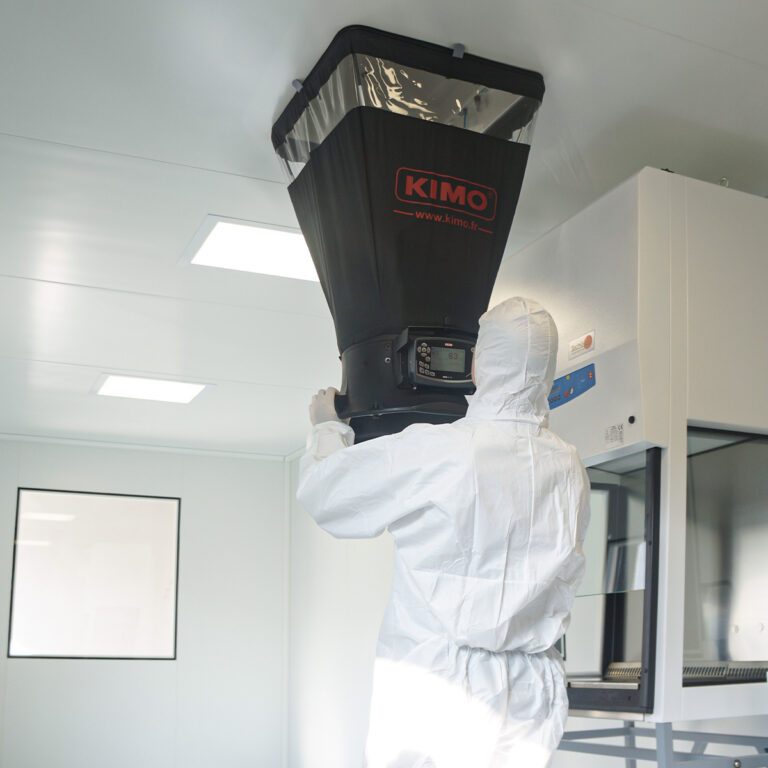
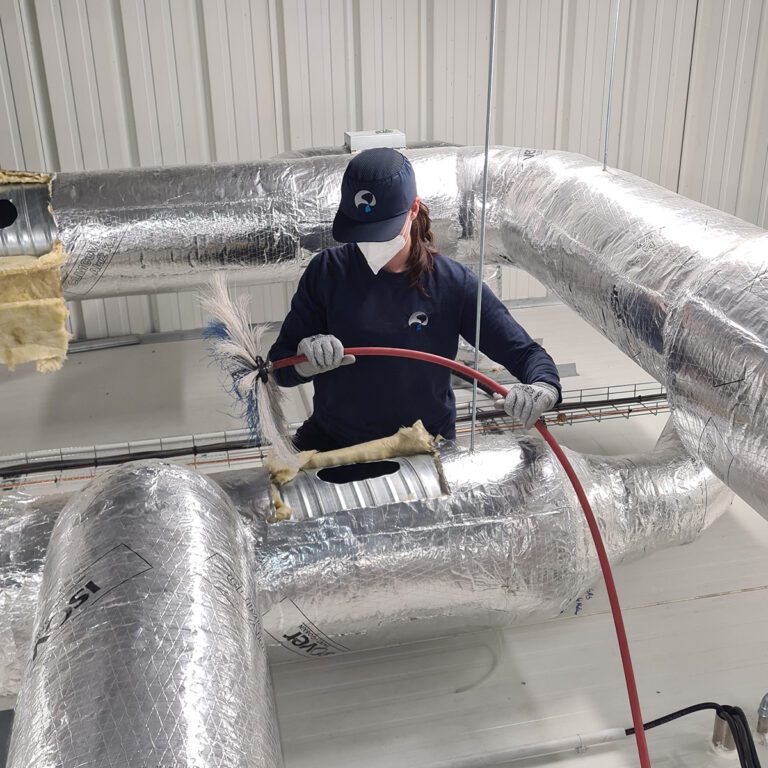
Preventive maintenance of heating, ventilation and air-conditioning (HVAC) systems is fundamental to their lasting energy efficiency. It includes several essential interventions: periodic cleaning of coils, fans and heat exchangers, checking refrigerant levels, inspecting ducts, and checking automatic control systems [10].
Unlike curative maintenance, which is costly and unprofitable, preventive maintenance anticipates the future condition of your equipment and improves your overall efficiency rate [11]. What's more, this proactive approach can prevent up to 2.5% of global CO2 emissions thanks to optimally functioning heat exchangers [12].
Cleaning filters and ventilation ducts
Clogged filters and ducts are a major cause of efficiency loss. A clogged filter results in reduced airflow, and can lead to extra consumption equivalent to the cost of a new filter [13].
To maintain a high-performance ventilation system, professionals follow these recommendations:
- Inspection and vacuuming of filters every 3 months and annual replacement [13].
- Monthly dusting of air inlets [14].
- Cleaning and disinfection of ventilation grilles every 6 months
- Duct inspection by a professional every 2 years or more frequently as required
Monitoring boilers, heat pumps and hybrid heat pumps
Heat pumps and boilers require special monitoring to ensure their efficiency. Annual maintenance of your heat pump will maintain its optimum efficiency and prevent over-consumption of energy [15].
For hybrid heat pumps, which combine a heat pump with a condensing boiler, maintenance should include cleaning the exchangers, checking the refrigerant circuit pressures, checking the tightness of the hydraulic circuits and inspecting the burner [16]. These operations, carried out by a qualified technician, represent an investment, but generate substantial savings by extending the life of the equipment and maintaining its energy performance [16].
Ultimately, a maintenance contract with a qualified professional is the best way to systematize preventive maintenance, avoid incidents and maintain the long-term energy performance of your installations [17].
Cleaning and energy hygiene: an often underestimated impact
Regular cleaning of building components is a little-known lever for energy optimization. Yet this often overlooked aspect can generate substantial savings without requiring major investment.
Cleaning glass surfaces to maximize solar gain
Dirty windows considerably reduce light transmission, necessitating additional artificial lighting during the day. The accumulation of dust, urban pollution and atmospheric residues creates an opaque film that filters out the sun's rays [3]. This reduction in transparency also affects the efficiency of passive solar heating, forcing thermal systems to compensate for this loss of free energy. Furthermore, dirty floors absorb more light than they reflect, limiting the efficiency of natural lighting [3].
For optimum cleaning of glass surfaces, the use of pure (lime-free) water is an effective professional solution, as it leaves no traces and eliminates the need for scraping and wiping operations [18].
Dusting luminaires for improved efficiency
A simple dusting of luminaires can significantly improve their efficiency. Indeed, the dust that accumulates on shades and bulbs leads to a considerable loss of efficiency: a dusty light source is 25 to 40% less efficient than a clean fixture [19]. Biennial cleaning is generally sufficient to maintain optimum performance [19].
In a building energy efficiency context, annual cleaning avoids a 10 to 15% drop in illuminance [20], which underlines the importance of this simple but effective maintenance practice.
Hygiene of ventilation grilles and extract units
The maintenance of ventilation systems is a direct factor in health, economy and environmental performance [21]. Air vents should be cleaned twice a year to ensure optimum air renewal [22]. Clogging can lead to excessive humidity and mold growth [22].
To clean these units, carefully remove the opening flap and wipe with a damp cloth. Be careful, as these vents are often humidity sensitive, they should never be washed under running water, as this could damage them [22].
This regular maintenance allows humidity sensitive technology to correctly adapt the airflow to the actual needs of the dwelling, thus reducing heat loss and optimizing fan power consumption [4].
Monitoring, control and digital tools for energy management
Digitalization offers powerful tools for optimizing the energy performance of buildings. Thanks to intelligent technologies, you can now monitor, analyze and precisely adjust your energy consumption.
Sensor and sub-meter installation
Sub-meters provide a detailed breakdown of energy consumption in your building [23]. These devices identify the areas, circuits or equipment that consume the most energy, guiding you towards targeted optimizations. The installation of connected IoT sensors is generally carried out without intrusive work [5]. These devices measure real-time data such as electricity and gas consumption or ambient temperature, which are then transmitted to an energy management platform [5].
Using a BMS to automate settings
Building Management Systems (BMS) centralize all technical equipment data and analyze it to improve performance [24]. These new-generation systems now integrate the IoT, enabling joint management of all operational technologies [25]. By automatically regulating heat and analyzing consumption data, the BMS identifies energy inefficiencies and proposes corrective solutions in real time [26].
Monitoring platforms such as DeltaConso or Citron.io
Citron® automatically collects your data from different sources on a single platform [27]. Its dashboards provide a clear overview of your property's energy management [27]. DeltaConso Expert, meanwhile, has an interface with OPERAT to facilitate the compulsory declaration of consumption imposed by the tertiary sector decree [6]. These platforms are essential tools for defining and implementing your energy reduction strategy [27].
Conclusion
Optimizing the energy efficiency of buildings is therefore an essential step in the face of today's environmental and economic challenges. In this article, you will have discovered how a global approach combining insulation, maintenance and cleaning can radically transform the performance of your buildings.
Firstly, thermal insulation is the indispensable foundation of any energy efficiency strategy. By properly insulating your walls, roofs and floors, you can significantly reduce heat loss. The right choice of insulating materials and high-performance joinery also reinforces this thermal barrier.
Secondly, regular maintenance of your technical equipment is just as crucial. A well-maintained HVAC system consumes less energy while providing optimum comfort for occupants. In addition, regular cleaning of filters and ventilation ducts ensures indoor air quality without wasting energy.
Thirdly, the often overlooked cleaning of glass surfaces and luminaires plays a significant role in your energy balance. Clean windows maximize free solar gain, while dust-free fixtures improve lighting efficiency.
Finally, digital tools now offer real-time monitoring and optimization capabilities. Thanks to sub-meters, connected sensors and monitoring platforms, you can analyze your consumption in detail and quickly identify sources of waste.
In addition to substantial financial savings, these practices actively contribute to the fight against climate change, while improving the comfort and health of occupants. In the face of increasingly demanding regulations such as the tertiary sector decree and the RE2020, this comprehensive approach to energy optimization is no longer an option, but an absolute necessity.
Ultimately, every action counts, from the simplest, such as regular cleaning of air vents, to the most complex, such as installing a BMS. Taken together, these measures will not only significantly reduce the ecological footprint of your buildings, they will also help you anticipate regulatory changes and enhance the value of your real estate assets over the long term.
FAQs
Q1. What are the main methods used to optimize a building's energy efficiency?
Key methods include reinforcing thermal insulation, regular maintenance of HVAC equipment, cleaning glass surfaces and lighting fixtures, and using digital tools to monitor and control energy consumption.
Q2. Why is thermal insulation considered to be the most important lever for energy efficiency?
Thermal insulation is essential, as it considerably reduces heat loss. Good insulation of walls, roofs and floors creates a protective envelope around the building, limiting heat transfer and improving occupant comfort while reducing energy consumption.
Q3. What impact does cleaning have on a building's energy efficiency?
Cleaning has an often underestimated but significant impact. Clean windows maximize solar gain, dust-free luminaires improve lighting efficiency, and ventilation grilles optimize air renewal, helping to reduce overall energy consumption.
Q4: How does equipment maintenance contribute to energy optimization?
Regular maintenance of HVAC systems, boilers and heat pumps ensures optimum performance. This includes cleaning filters, inspecting ducts and checking control systems. Preventive maintenance prevents over-consumption and extends equipment life.
Q5. What role do digital tools play in building energy management?
Digital tools such as sensors, sub-meters and monitoring platforms enable precise, real-time tracking of energy consumption. They make it easier to identify sources of waste, automate settings via a BMS (Building Management System) and continuously optimize the building's energy performance.
References
[1] – https://www.qualitel.org/particuliers/isolation/techniques-isolation/
[2] – https://www.batiadvisor.fr/isolation-thermique-du-batiment/
[4] – https://www.aereco.fr/dossiers-thematiques/grilles-daeration-et-bouches-de-ventilation/
[6] – https://www.akea-energies.com/logiciel
[7] – https://www.menuiseries-bieber.com/les-avantages-du-triple-vitrage-pour-une-meilleure-isolation/
[8] – https://www.thermor.fr/nos-conseils/pont-thermique
[9] – https://conseils-thermiques.org/contenu/pont-thermique.php
[10] – https://www.industries.veolia.com/fr/maintenance-systemes-cvc-vos-batiments
[11] – https://www.mercijack.co/articles/maintenance-cvc-optimiser-vos-equipements
[13] – https://energieplus-lesite.be/gerer/ventilation5/entretenir-le-systeme-de-distribution-de-l-air/
[16] – https://www.abcclim.net/pompe-a-chaleur-hybride-dossier-complet.html
[18] – https://www.voussert.fr/nettoyage-vitre-et-panneau-solaire-c2.html
[19] – https://totalenergies.be/fr/particuliers/blog/lactu/moins-de-poussiere-plus-de-lumiere
[20] – https://energieplus-lesite.be/gerer/eclairage7/organiser-la-maintenance-de-l-eclairage/
[24] – https://eficia.com/fr/ressources/blog/solution-eficia/automatisation-gtb
[25] – https://www.se.com/fr/fr/work/products/building-management/
[27] –https://citron.io/