


















Air pollution in underground public transport is a major issue. The metro is particularly concerned. New studies show high levels of fine particles in these enclosed spaces.
Origins of air pollution in the metro
Air pollution in the metro comes from several sources:
- Brakes and rails When braking, trains generate fine metallic particles which are dispersed in the air.
- Ballast Trains raise dust from the ballast, which consists of stones placed under the rails.
- Ventilation The ventilation system can contribute to the dispersion of fine particles.
- The users The many people who use the metro also generate pollutants. These come from cosmetics, clothing and breathing.
Impact on user health
High levels of fine particles in metro air can have serious consequences for users' health:
- Respiratory problems Fine particles can penetrate the respiratory tract and cause irritation. They can also cause asthma and other respiratory illnesses.
- Cardiovascular effects Fine particles can also affect the cardiovascular system. They increase the risk of heart disease.
- Long-term impact Prolonged exposure to these pollutants can have long-term effects on health. This includes the development of chronic diseases.
Possible solutions
To protect users' health, measures must be taken to reduce air pollution in the metro:
- Improving ventilation systems : More efficient ventilation systems can help reduce concentrations of fine particles.
- Use of less polluting materials: Choose materials that generate fewer particles during braking or rail wear.
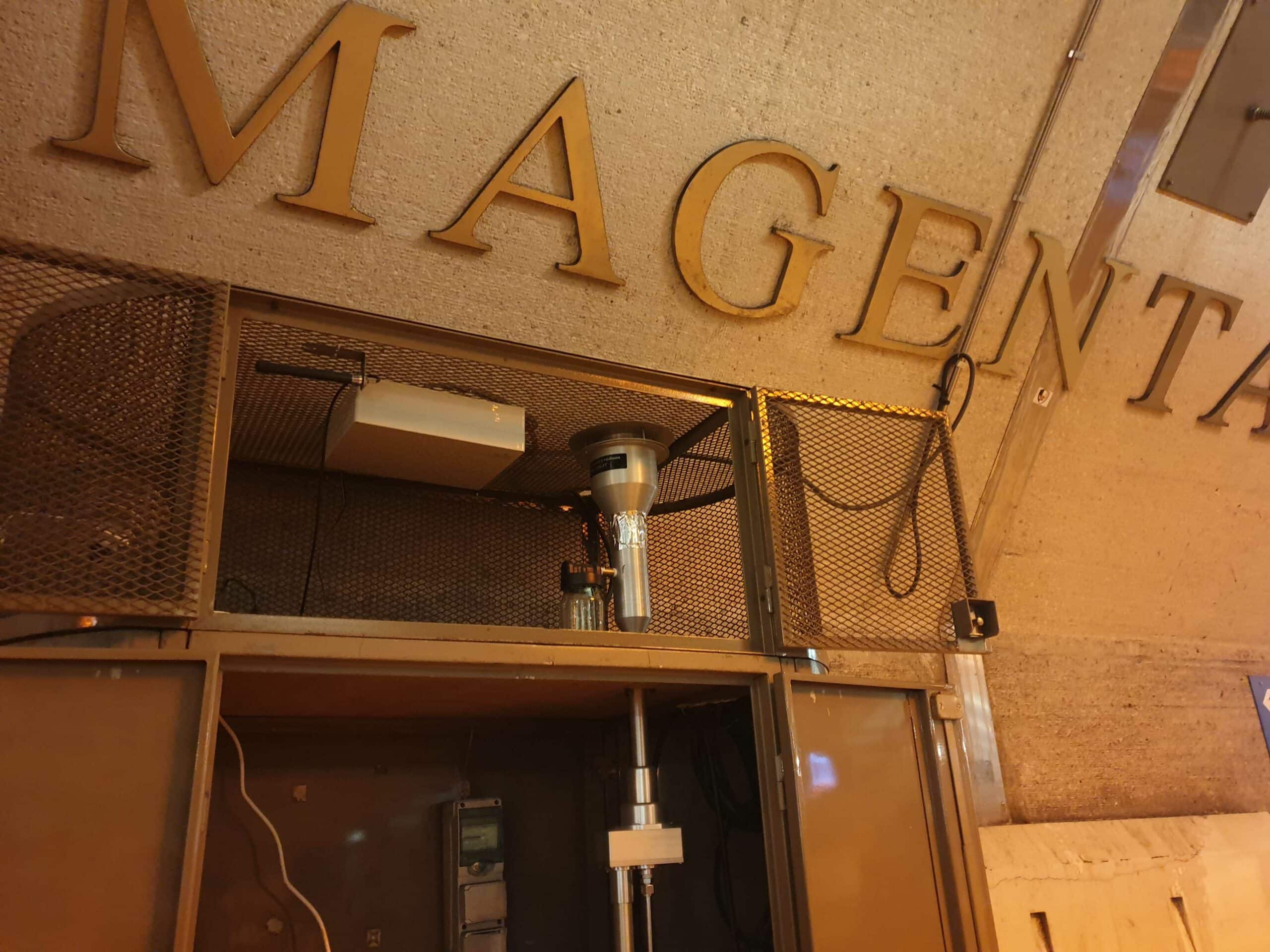
- Air quality monitoring : Set up monitoring systems to measure pollution levels in real time and inform users.
- Raising user awareness : Educate users about the risks of air pollution in the metro and how to reduce their exposure.
International initiatives to combat air pollution in the metro
Air pollution in the metro is a global concern, and many cities around the world have taken initiatives to tackle the problem:
- Studies and Research Many metropolises have begun to carry out studies to accurately measure fine particle levels in metro stations. They are also seeking to identify the main sources of pollution.
- Air quality standards Some cities have introduced strict air quality standards in the metro. They set maximum limits for concentrations of fine particles and other pollutants.
- Air filtration technologies : More efficient air filtration systems have been installed in some metro stations. The aim is to reduce concentrations of fine particles.
The role of citizens in combating air pollution in the metro
Citizens also have a role to play in reducing air pollution in the metro:
- Awareness-raising and education Citizens need to be informed about the risks of air pollution in the metro. They also need to know what they can do to minimize their exposure.
- Behavior modification Adopting responsible behavior, such as using less polluting cosmetics and cleaning products, can help reduce sources of pollution.
- Citizen participation Citizens can participate in local initiatives or associations. These groups work to improve air quality on public transport.
Outlook
Improving air quality in the metro is a complex challenge. It requires the collaboration of authorities, operators, scientists and citizens. By adopting a multi-sectoral approach and investing in innovative technologies, we can create healthier underground spaces. This is essential for the sustainability of public transport and to protect the health of citizens in increasingly dense and polluted cities.
To find out more about current initiatives and scientific research in this field, please consult the following websites World Health Organization (WHO) reports on air pollution.
Protect your indoor air!
Find out how IGIENAIR air treatment helps improve air quality. Including on public transport!