












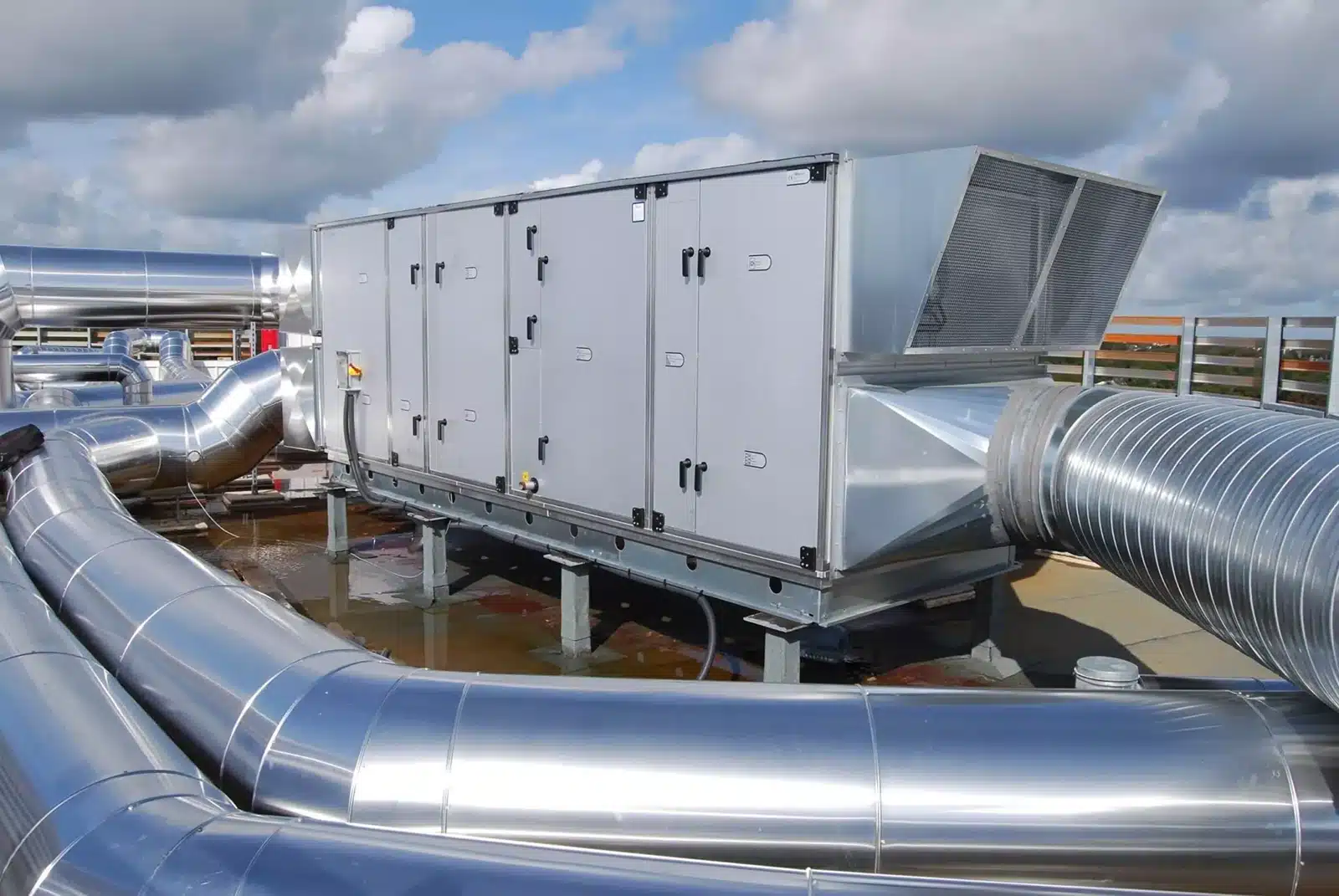
What is a CTA?
A Air Handling Unit (CTA) is a complex system used to treat, purify and sanitize the air quality in buildings such as office buildings, shopping centers, hospitals, pharmaceutical industries, schools, etc. The purpose of an Air Handling Unit is to filter, cool, heat and humidify air before it is distributed to individual rooms.
There are two types of air handling unit: single-flow AHUs and double-flow AHUs. Single-flow AHUs are used in buildings requiring air conditioning, but not continuous air renewal. In contrast, a double-flow air handling unit ensures continuous air treatment and renewal.
Why use an Air Handling Unit?
The purpose of an air handling unit is to ensure healthy, comfortable air for building occupants. It filters out impurities such as dust particles, bacteria and air pollutants. What's more, it can adjust air temperature and humidity as required, helping to create a comfortable working or living environment.
Which one to choose?
The choice of air handling unit depends on a number of factors, such as building size, number of occupants, air quality requirements and energy consumption. For large buildings, the Double-flow air handling unit is often recommended, as it constantly renews indoor air and ensures optimum air quality.
How does it work?
An air handling unit is made up of several components, such as the mixing box, cold coils, hot coils, fan units and air dampers.
The mixing box is where air is mixed with chilled water to cool it. Cold coils are used to cool the air before distributing it throughout the premises.
Why is it important to maintain it?
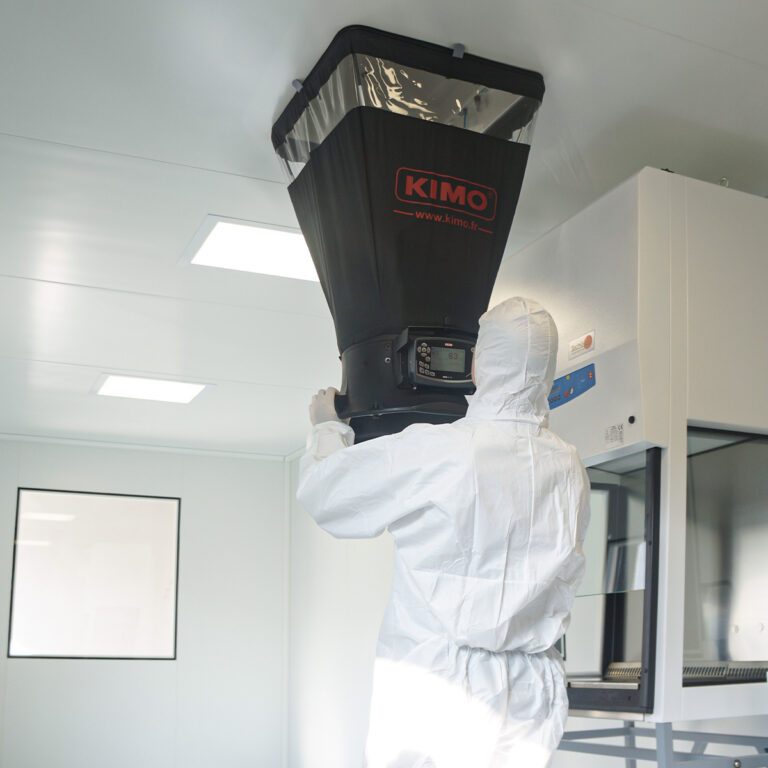
Air handling unit maintenance is an essential aspect in ensuring the smooth operation and longevity of these complex systems. It also helps to ensure air quality in the building and prevent potential problems such as air pollution or air leakage.
It's important to have your air handling unit inspected regularly by a professional to check that all components are working properly, and to carry out repairs if necessary. This will also ensure optimized energy consumption and reduced repair costs.
What should be checked during maintenance?
An air handling unit (AHU) is an essential piece of equipment for guaranteeing optimum indoor air quality healthy and comfortable in buildings such as hospitals, offices, shopping centers, schools, hotels and homes. To keep the AHU running smoothly, it's important to carry out regular preventive maintenance, including on filters, batteries, fans and ductwork.
Filters : Filters are one of the AHU's most important components, ensuring the quality of indoor air. Filters must be cleaned or replaced frequently to prevent the build-up of dust, air pollutants and bacteria. Filters are selected according to the specific needs of the application, the size of the AHU and the ambient conditions. Filters should be inspected monthly and replaced or cleaned every three months.
Batteries : The coils are the heat exchangers that exchange heat and humidity between the treated air and the outside air. Coils must be cleaned regularly to maintain maximum thermal efficiency. Dirty coils lead to higher energy consumption and reduced air treatment capacity. Batteries should be inspected monthly and cleaned every six months.
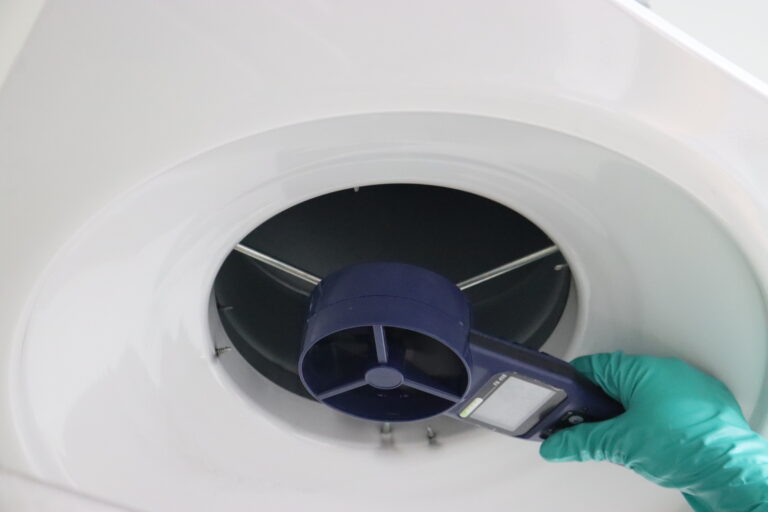
Fans : The fans are the motors that circulate the air through the AHU. Fans must be cleaned and lubricated frequently to prevent breakdowns and ensure quiet operation. Fans are inspected monthly and lubricated every six months.
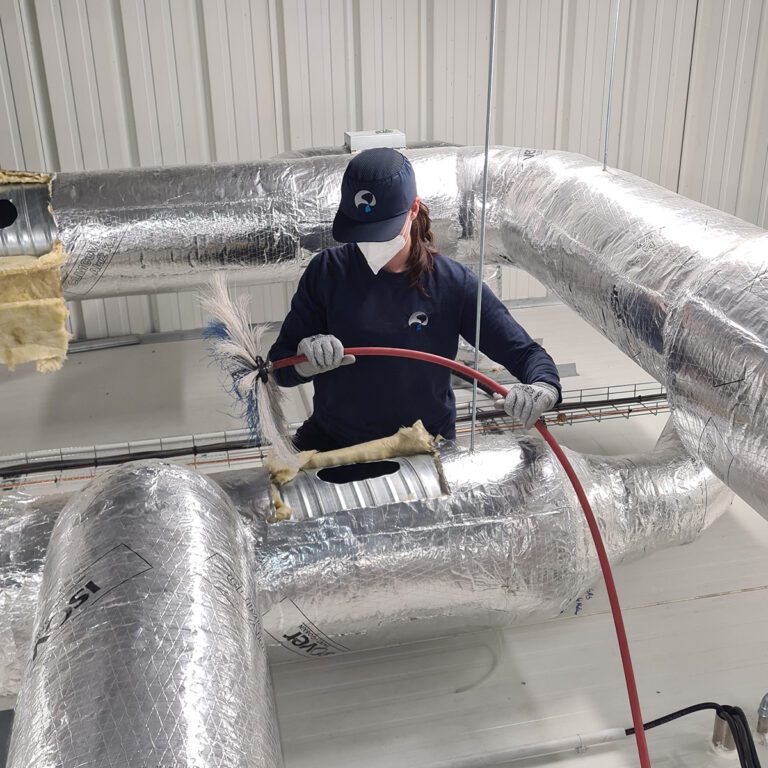
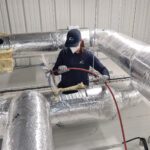
The sheathing network : The ductwork is the system that distributes treated air to the various areas of the building. The ductwork must be inspected regularly for air leaks, pressure losses and dust build-up. Air leaks lead to loss of energy efficiency and increased energy consumption. The jacketing system should be inspected every six months.
Conclusion: To ensure the energy-efficient operation of air handling units, regular preventive maintenance is necessary: filters, coils, fans and ducts all need to be properly maintained to guarantee healthy, comfortable indoor air quality, while reducing energy consumption and extending equipment life.