











A challenge for health and productivity
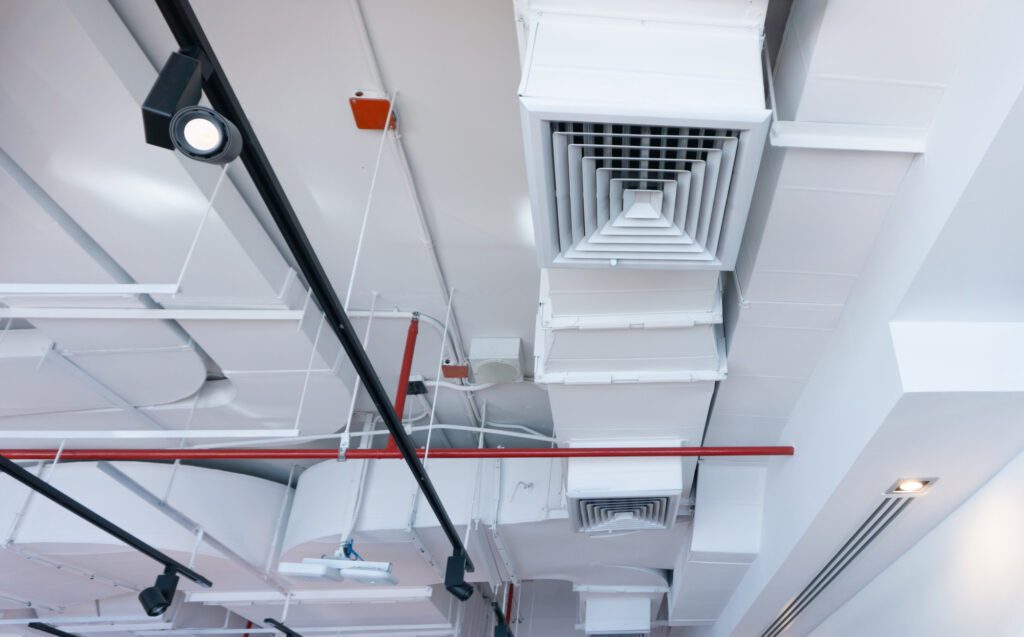
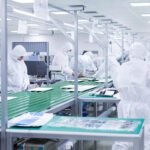
Indoor air has a direct impact on our health, well-being and the productivity of occupants of buildings in the tertiary sector. In offices, schools, retail outlets and public facilities, indoor air management is based on an understanding of the air flows, the pollutant detection and theoptimization of ventilation systems.
Controlling key parameters
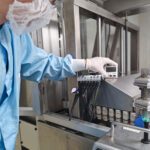
Several technical parameters as air flow rates, renewal rates and construction materials can have significant influence on indoor air quality. Thus it is important to monitor volatile organic compounds (VOCs), fine particles (PM10, PM2.5) and biological micro-organisms. IGIENAIR IGIENAIR implements analysis strategies to precisely identify sources of pollution and provide specific solutions.
Dedicated audits and interventions
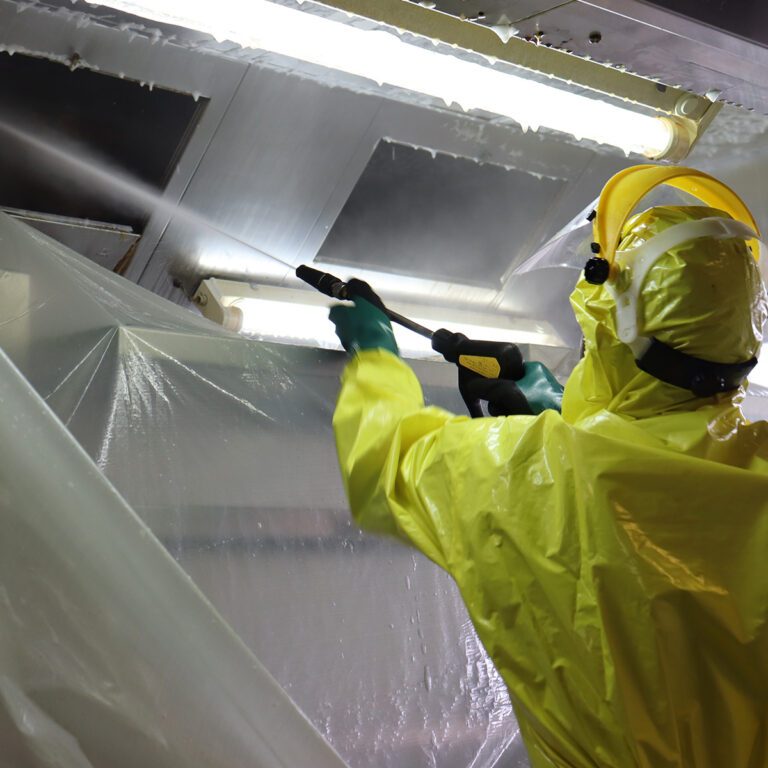
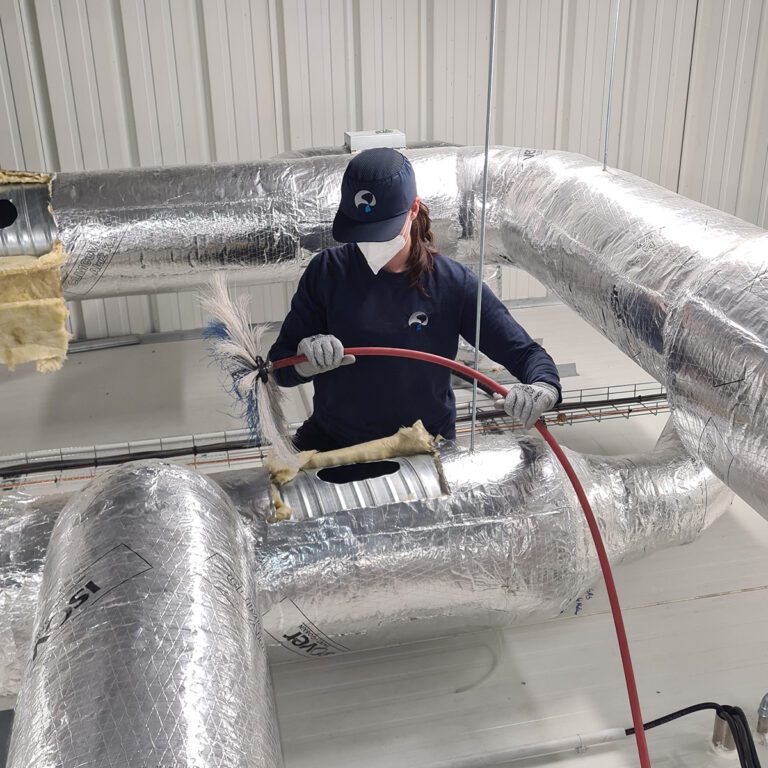
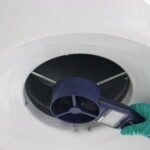
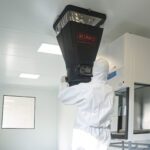
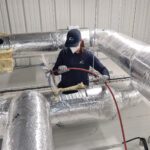
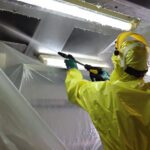
From technical audits In-depth tests are carried out to assess the performance of HVAC installations: measuring energy efficiency, balancing air networks and monitoring air flow rates. They also carry out maintenance on the networks using robotic cleaning and microbiological decontamination. Controlling CO2 levels and monitoring formaldehyde concentrations guarantee a safe, high-performance indoor environment.
Expertise tailored to the challenges of the business sector
IGIENAIR supports organisations in the tertiary sector by implementing tailor-made solutions. Every project is based on precise assessments and IoT technologies for real-time monitoring. The aim is to create environments where indoor air quality improves health, reduces absenteeism and boosts occupants’ performance.
By complying with environmental and regulatory requirements, IGIENAIR has established itself as the leading technical partner for indoor air management in the commercial sector.